By Sean Gilligan / Manager of Refugee Integration Services
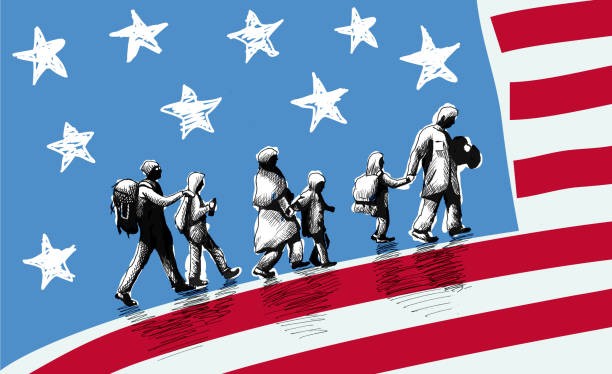
Nearly thirty years after fleeing from genocide in Myanmar (formerly known as Burma) in their parents’ arms, I.M., S.B., and their family received, confirmation their case to be resettled in the United States as refugees had been approved.
2020 was the year to leave behind Kutupalong Refugee Camp in Cox’s Bazar, Bangladesh which is believed to be the largest refugee camp in the world and the forced home of nearly 1.2 million Rohingya refugees. They sold their things: possessions scraped together from a lifetime of stateless existence and rules in the Camp. They said goodbye to their friends, their families, and everything they knew. But it was not to be.
On February 21, 2020, Presidential Proclamation 9645, the fourth such ban by the Trump Administration, restricted all travel to the United States by individuals from Myanmar. Their flight was cancelled and they returned to the camp. While this restriction was immediately lifted in January of 2021, the damage was done. It would take another four years of applications, medical appointments, and vetting interviews before the family was approved again to come to the United States.
This October will mark two years since I.M. and S.B.’s arrival with their family in Green Bay. Nervous, at first, about living in a small community with few others who share their identity, they have remained determined to make Green Bay their home.
“In the refugee camp,” I.M. says, “we were not free. It is an open-air prison; you cannot go where you want or do what you want. We have no country. Now Green Bay is my home. It is a good place to live. It is safe and beautiful. There is good work. My children love their school and their teachers.”
The feeling is mutual as their youngest daughter was awarded a special certificate by her classmates at the end of the school year for being kind.
While there have been dark days, the family has remained committed to working closely with the Catholic Charities team to navigate everything that comes their way. They build their English skills working with one of our English at Home tutors and soon they hope to begin working with the Catholic Charities Financial Health team to begin the process of purchasing their own home.
It is hard not to think of those they left behind: parents, siblings, cousins, and loved ones. The dismantling of USAID has made conditions in camps, like the one they came from, harsher every day. Food rations grow scarcer and classes get canceled. They remain hopeful that in time the U.S. will again be ready to welcome refugees, so they can give back and share the best our community has to offer.
It is hard not to think of the challenges ahead. All green card card adjustment of status processes have been frozen for refugees since November of 2025 and they remain that way for the foreseeable future. Due to policy changes put in place by the passing of H.R.1, families like theirs will lose eligibility for health insurance and food assistance, programs they rely on for help buying healthy foods for their children and navigating Mom’s lifelong struggle with diabetes.
Across our community, families like I.M. and S.B.’s are facing difficult decisions in the months ahead as they lose access to important services and have no path to moving their legal status forward in the foreseeable future. But through the support of refugee integration, immigration legal services, and family resource coordination at Catholic Charities, families like I.M. and S.B.’s are assured that the communities they now call home are there to see them thrive.
To learn more about Catholic Charities creating communities of care, visit our website.