
By Laurie Martinez | Immigration Services Manager
The United Nations High Commissioner for Refugees (UNHCR) estimates that more than 117 million individuals have been forcibly displaced from their homelands, including over 36 million refugees. Since 1975, the United States has admitted approximately 3.6 million refugees.
Before they enter the United States, refugees spend years or decades in refugee camps, where they undergo a vetting process that includes interviews, biometric screenings, and investigations conducted by government agencies.
After one year in the U.S., refugees must file an application to obtain permanent resident status, known as a green card. Many refugees successfully obtain green cards or become naturalized citizens and adapt to life in America. However, some refugees face barriers that prevent them from filing for their green card one year after arrival. Financial complications and difficulty scheduling required medical appointments can delay the process. Historically, the system has considered the dignity and humane treatment of refugees and allowed flexibility by recognizing the initial hurdles refugees face.
Recently, the United States Citizenship and Immigration Services (USCIS) released a policy memorandum altering how it handles refugees who have been in the country for at least one year but haven’t completed the process to obtain permanent residence. This new policy requires refugees to return to the government for a one-year review. If they don’t present themselves on their own, immigration officers will find them, arrest them, and detain them as long as necessary to complete the required review.
At the review, the government decides whether the individual remains admissible, whether refugee status should continue, or whether the individual should be placed in deportation proceedings and potentially deported to another country.
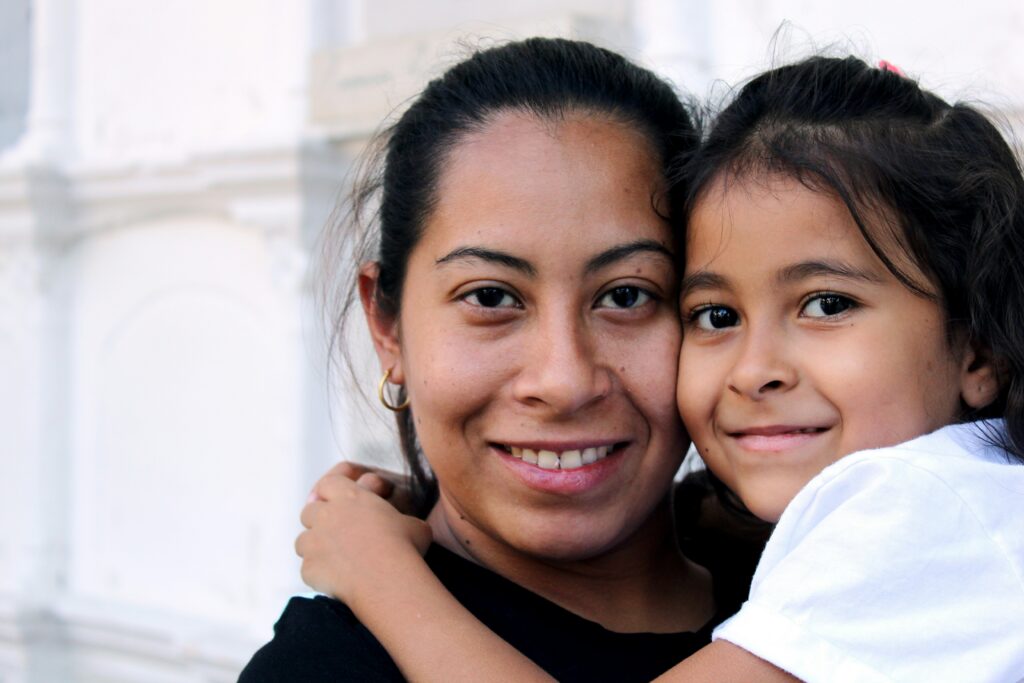
Refugees considered to be in violation of this policy may be detained. Detention can result in the loss of employment, housing, separation from their children, which furthers the trauma many have already endured from fleeing wars in their homeland, persecution, and relocation to refugee camps.
It is concerning that refugees who have already successfully passed screening and vetting processes with legal documentation in the U.S. should be subjected to further screening, with possibility of detainment, family separation, or removal to another country.
Please consider how you can stand in solidarity with our brothers and sisters by offering prayers, advocating on behalf of refugees with your local officials. To learn more about refugees and immigrants, visit Justice for Immigrants – United States Conference of Catholic Bishops.
Sources: